
Author’s Note: This article originally appeared in my weekly Top of Mind newsletter, which goes out to subscribers every Thursday. Sign up to receive it directly in your inbox.
I am back from Mexico—and grateful to be home. I spent my final days there miserably sick and am still not fully recovered. So, again, I’m not offering one of my usual, longer essays on the latest turn in higher education’s decline. Instead, I’m offering a brief note on FIRE’s new post–Charlie Kirk assassination survey and pointing you to Samuel J. Abrams’s latest piece, our article of the week, which also examines the survey’s findings.
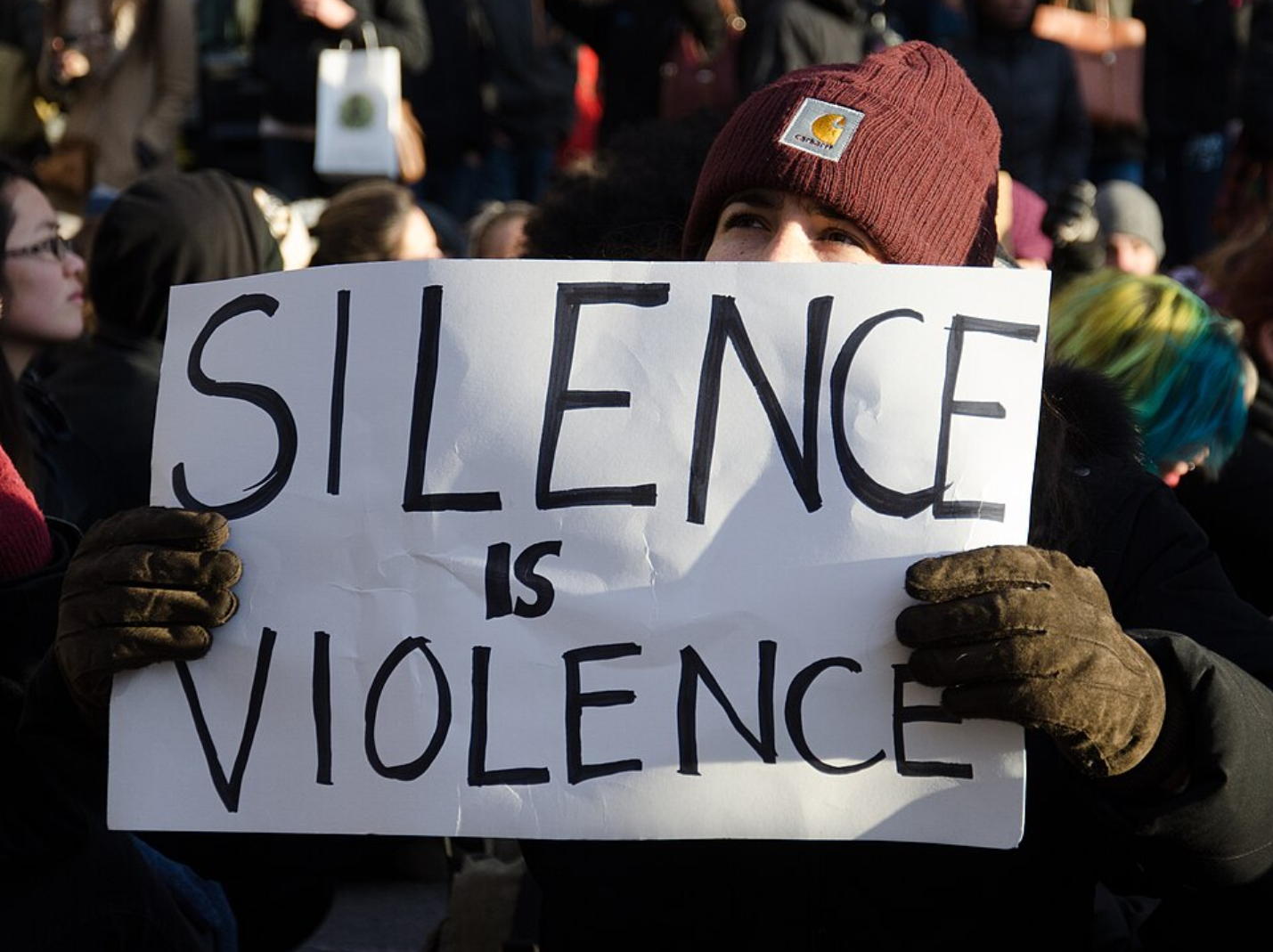
You have probably already heard news of FIRE’s latest survey, After the Earthquake: How the Assassination of Charlie Kirk Is Reshaping Campus Speech Nationwide. It provides the first snapshot of student attitudes following the assassination of Charlie Kirk. One finding stands out: the assassination did not meaningfully shift the widespread belief that expression itself can constitute harm. 90 percent of students still say “words can be violence,” and 29 percent say “silence is violence.”
The survey also reveals that changes in students’ views of disruptive tactics were not uniform. Moderate and conservative students became less accepting of shouting down speakers, blocking events, or using force to stop speech. Leftist students, however, showed no corresponding decrease; in several areas, their tolerance for these tactics slightly increased. That pattern aligns with what I’ve written before about political violence being more readily accepted on the political left. Beyond lethal incidents, left-wing actors are also more likely to support intimidation, property destruction, and coercive disruption. (Read “Charlie Kirk Gunned Down on Utah Campus—And the Left Still Claims the Right Is More Violent”).
FIRE highlights the decline among moderates and conservatives because an earlier report had noted an uptick in support for disruptive tactics on the right. Even then, however, that support remained far lower than on the left. (Read Peter Wood’s “FIRE Overstates Conservative Censorship on Campus”). FIRE’s new survey simply returns the numbers to their familiar shape: conservatives and moderates continue to show comparatively low tolerance for suppressing speech, while students on the left remain far more accepting of such measures. It is worth keeping this in mind when considering which groups on campus are most willing to curtail expression or justify violence.
But turning back to the rest of FIRE’s new findings: the organization also documents elevated levels of self-censorship, especially at Utah Valley University—where Kirk was assassinated—where students say they are now less comfortable sharing their views in class, in common spaces, and online.
These numbers matter not only for what they reveal about campus life today but for what they suggest about the future. As Abrams argues, the significance of these trends extends well beyond higher education. When students adopt frameworks that equate speech with violence and disagreement with injury, the habits they learn in college inevitably spill over into how they treat civic debate, institutional authority, and the responsibilities of democratic citizenship.
In that light, FIRE’s new data is not merely a snapshot of campus sentiment but a warning about the political norms the next generation is poised to bring to America’s civic and cultural institutions.
Follow Jared Gould on X.
Image: “Silence is violence” by Tim Pierce on Wikimedia Commons